RAJUK Enroute Miyawaki Forest: Building Bangladesh's Future Through the Sobuj Bangladesh Project
Green Future: Sobuj Bangladesh Miyawaki Forest Initiative
Creating Bangladesh's Landmark Miyawaki Forest in Purbachal
As Dhaka continues to expand, the demand for housing, roads, and infrastructure has grown rapidly. While development brings new opportunities, it also reduces green spaces, affects biodiversity, and contributes to rising temperatures and air pollution. Creating healthier urban environments has become one of Bangladesh’s most pressing environmental priorities.
To help address these challenges, Enroute Foundation launched the RAJUK Enroute Miyawaki Forest under its flagship Sobuj Bangladesh Project in Purbachal. The initiative introduces the internationally recognized Japanese Miyawaki Method to establish a dense native forest within a limited urban area, creating long-term environmental benefits for both people and nature.
Rather than planting trees individually across large areas, the project focuses on developing a compact forest ecosystem using native species. This approach helps improve biodiversity, supports cleaner air, strengthens ecological balance, and creates greener public spaces that can continue to benefit future generations.
The Enroute Foundation Miyawaki Forest also reflects the organization’s long-term commitment to research-driven environmental conservation and sustainable urban development across Bangladesh.
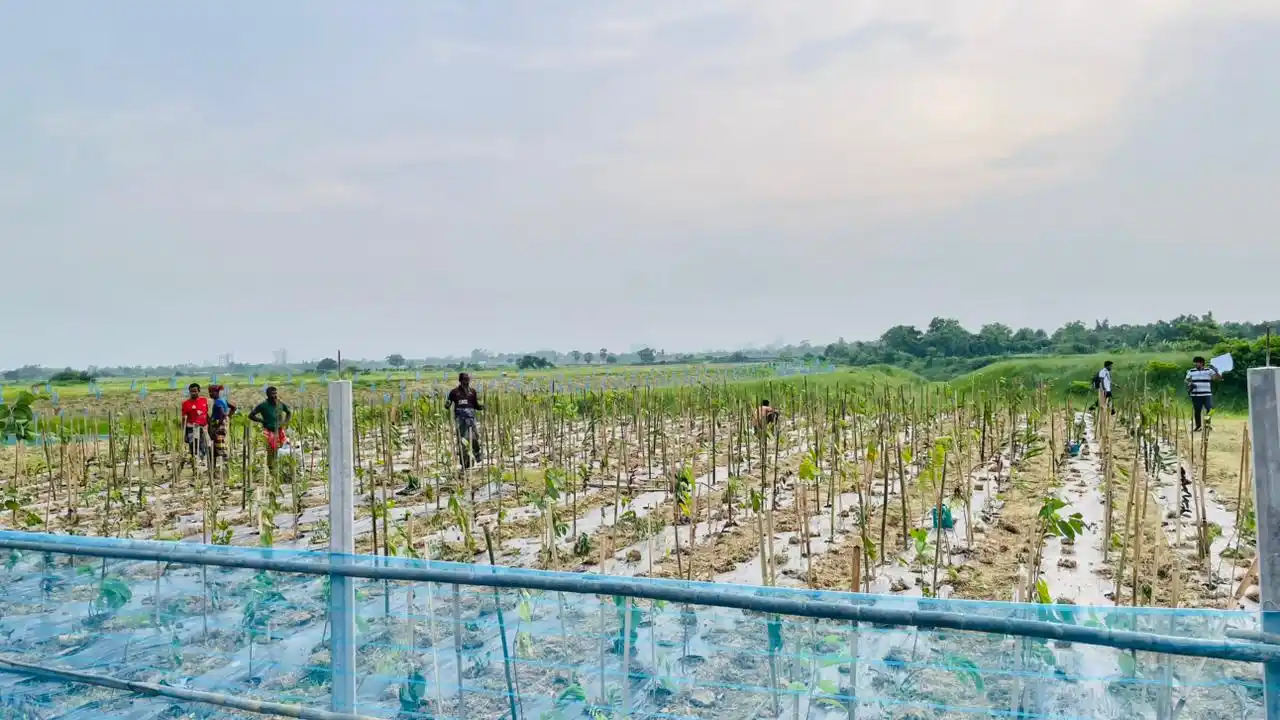
Creating Bangladesh's Landmark Miyawaki Forest in Purbachal
Restoring Nature Through the Miyawaki Method
A Smarter Approach to Urban Forest Restoration
The Miyawaki Method is a scientific afforestation technique developed in Japan to restore forests in limited urban spaces. By planting a diverse mix of native tree species close together, the trees naturally compete for sunlight and nutrients, encouraging faster growth while forming a self-sustaining forest ecosystem.
This method creates forests that are rich in biodiversity and capable of supporting local wildlife while improving environmental quality within cities.
At the RAJUK Enroute Miyawaki Forest, every stage of the plantation was planned to encourage long-term ecological restoration through native vegetation.
The project aims to:
- Restore native biodiversity
- Increase urban green cover
- Improve air quality
- Reduce urban heat
- Support natural carbon absorption
- Create habitats for birds, butterflies, insects, and other wildlife
- Demonstrate the practical benefits of the Miyawaki Method in Bangladesh
As one of the growing Miyawaki Forest Projects in Bangladesh, the initiative demonstrates how scientific forest restoration can support healthier and more sustainable cities.
From Vision to Action
A Collective Step Towards Climate Action in Bangladesh
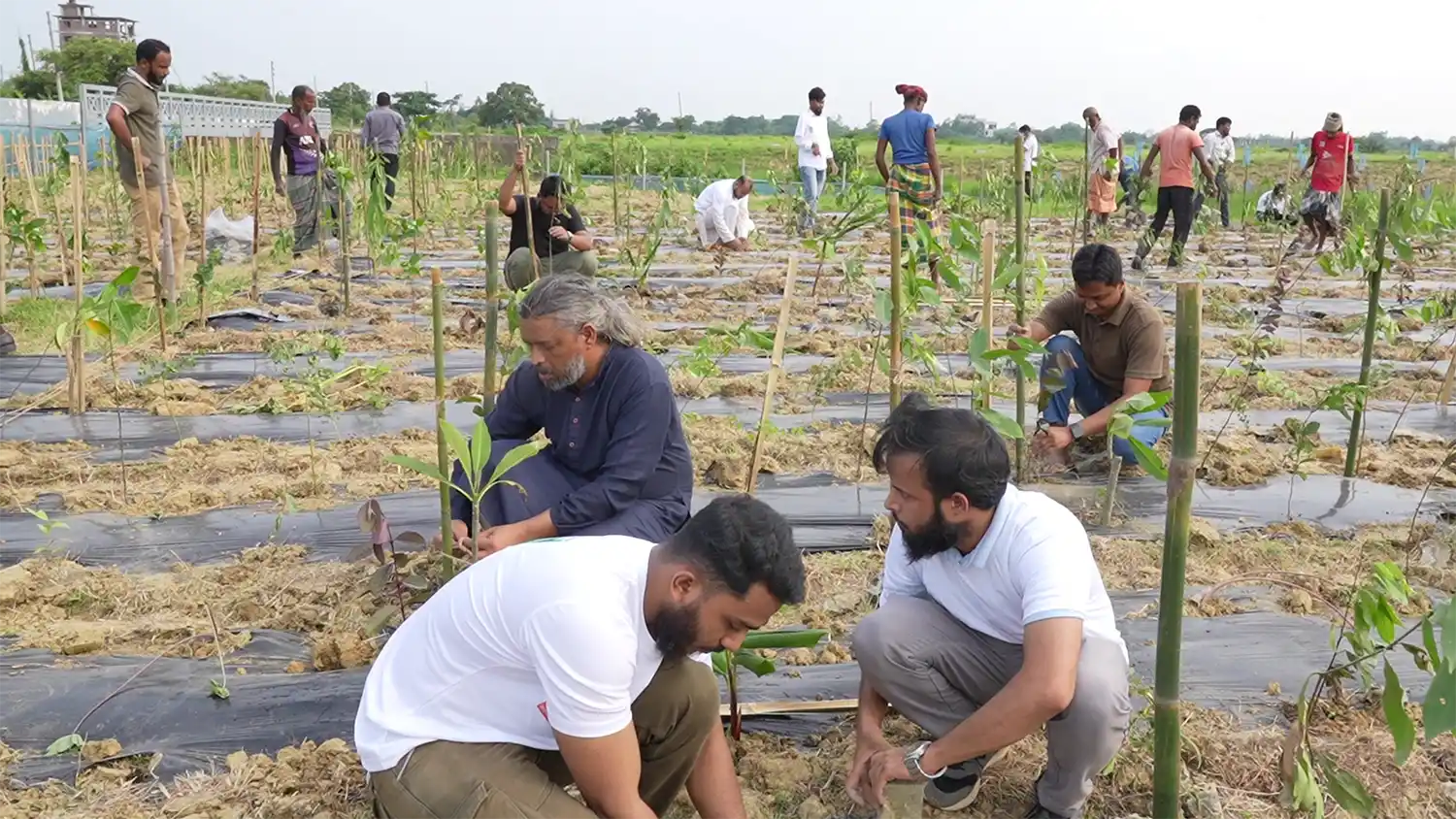
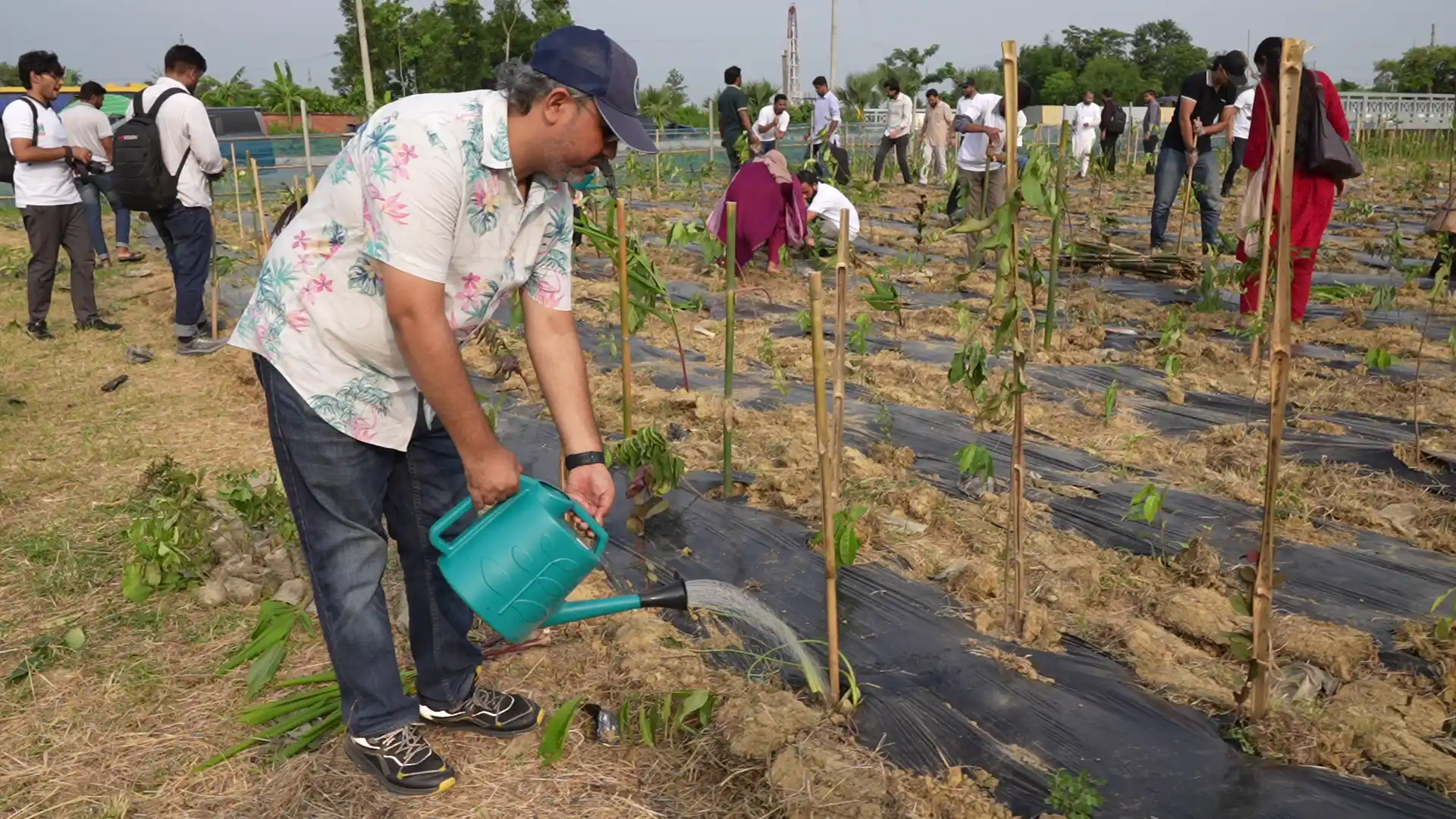
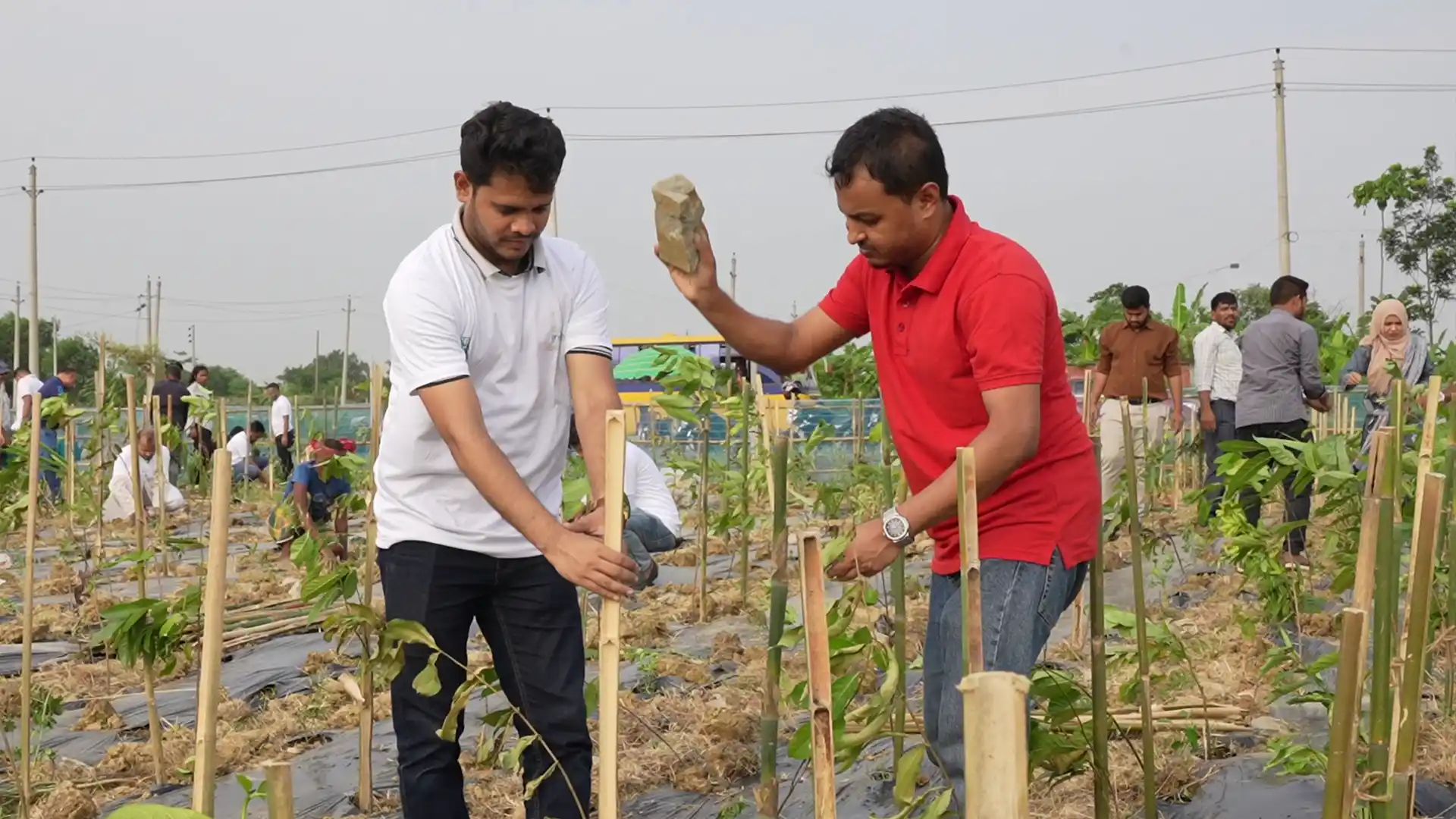
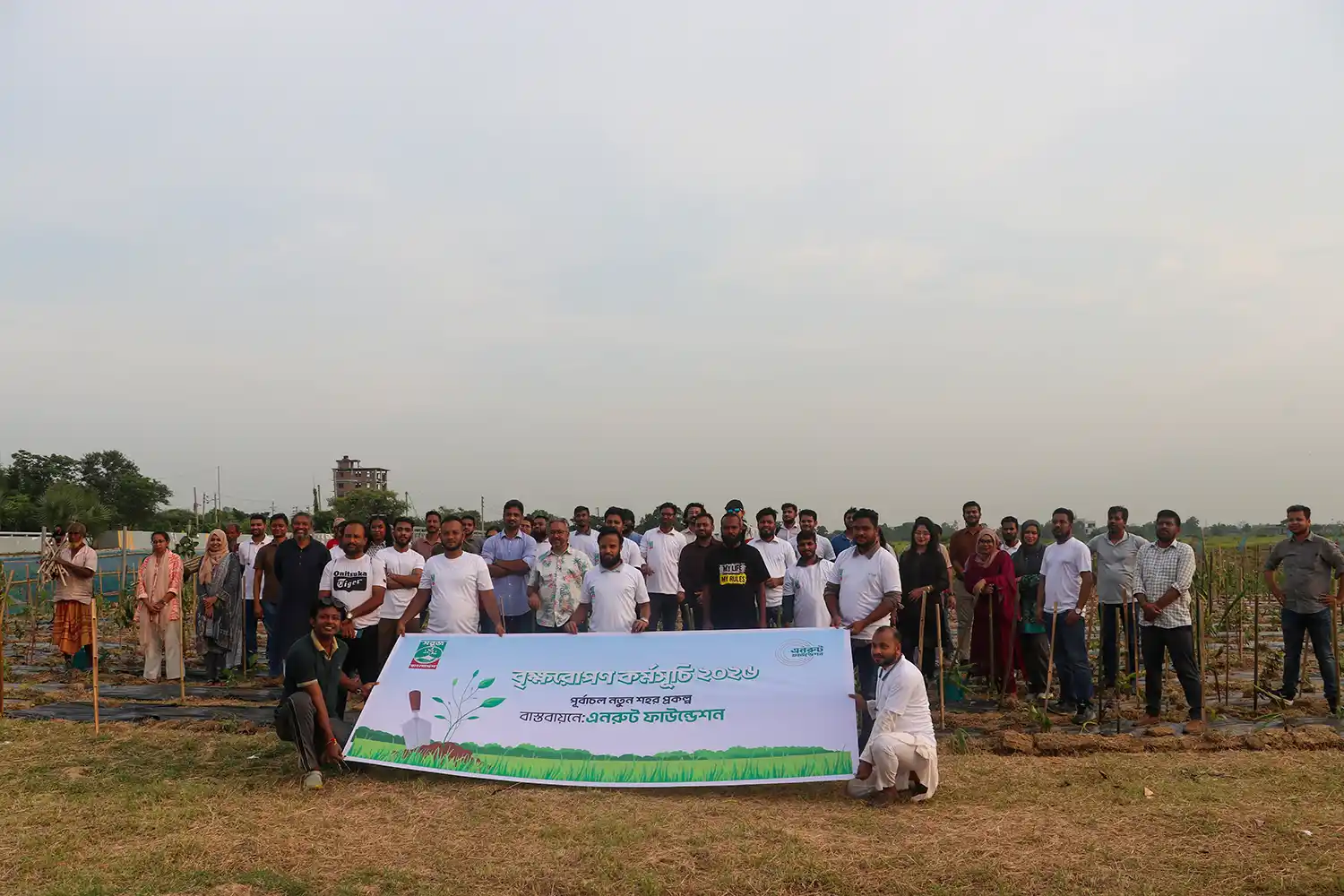
The plantation program brought together the Chairman, officials, volunteers, environmental advocates, and members of Enroute Foundation, all working with a shared purpose of creating a greener Bangladesh.
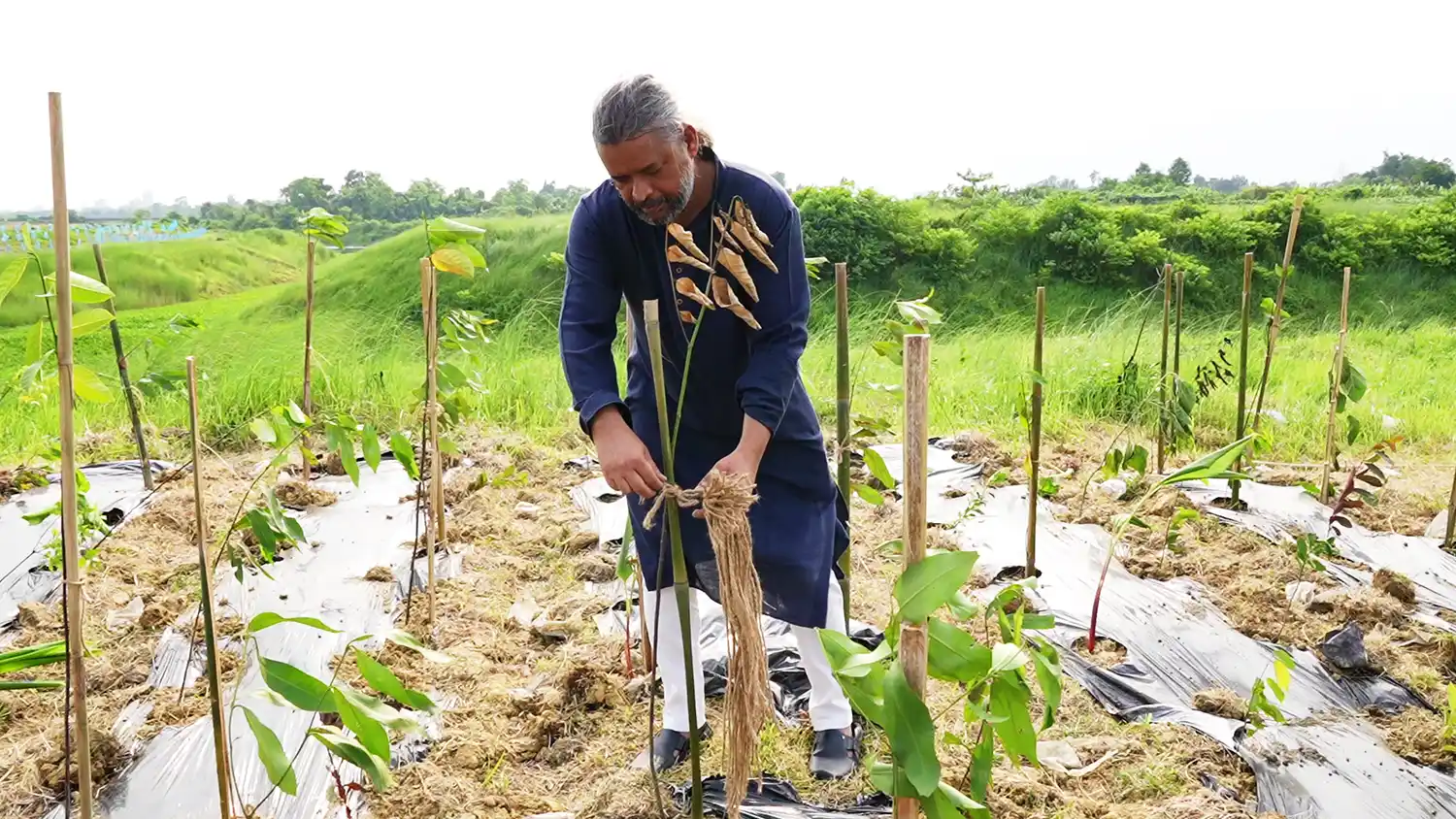
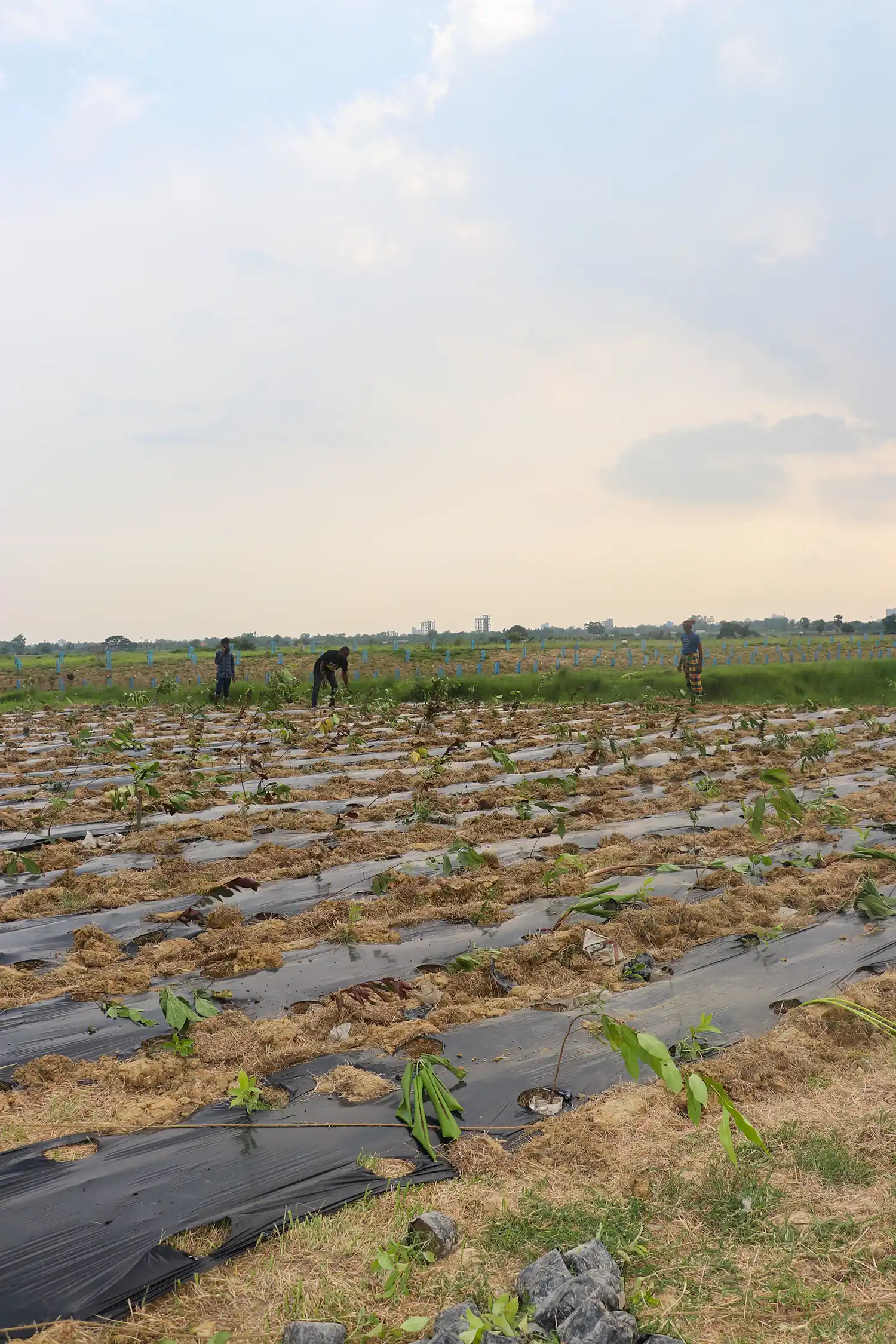
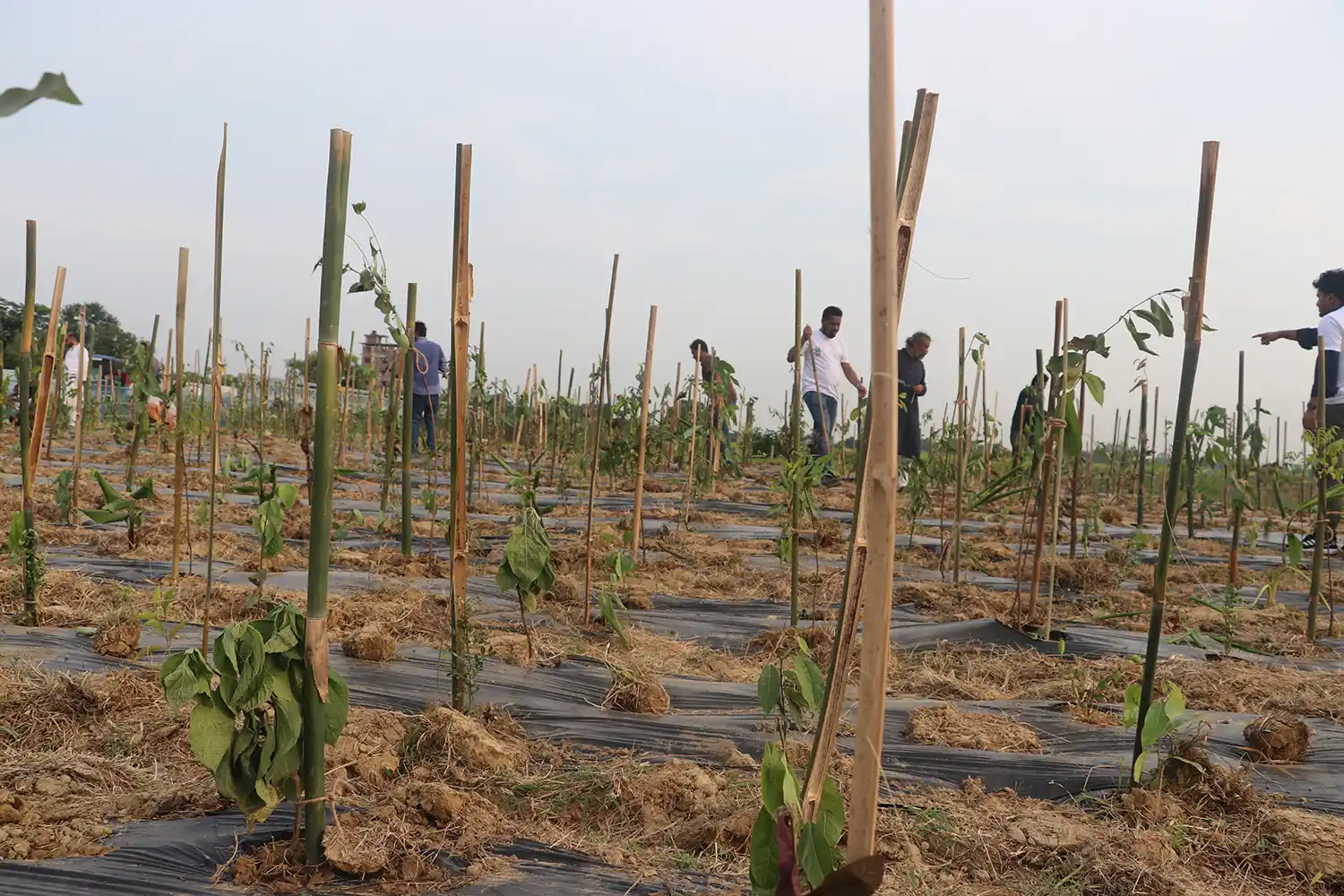
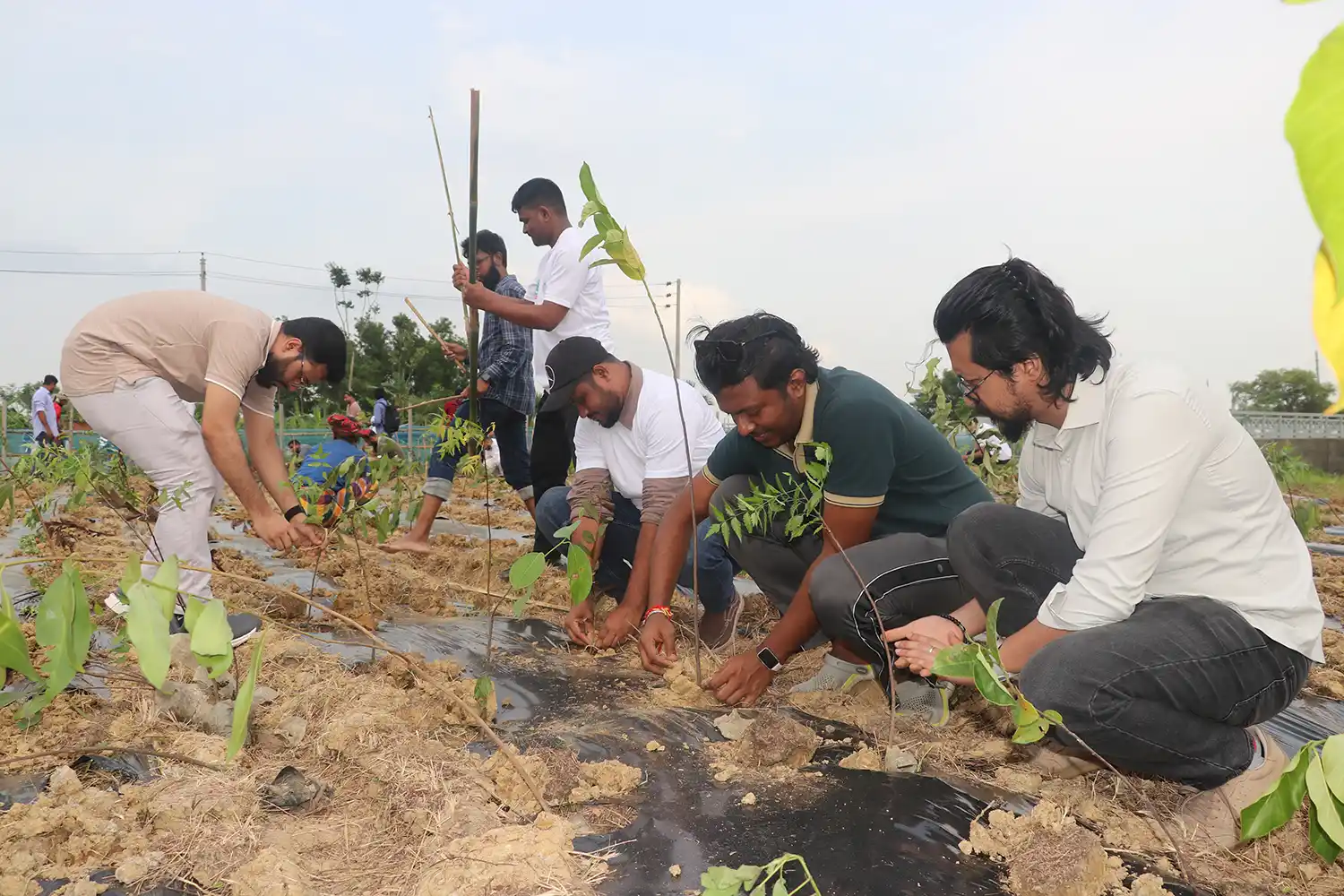
Following careful site preparation and soil improvement, participants planted approximately 1,500 native tree saplings using the Miyawaki plantation technique. Every volunteer contributed directly to building what will gradually develop into a dense urban forest capable of delivering long-term environmental benefits.
The day’s activities included:
- Land preparation
- Soil improvement
- Native species selection
- Scientific plantation planning
- Miyawaki forest plantation
- Volunteer participation
- Environmental awareness activities
- Community engagement
The initiative also complements the Government of Bangladesh’s national 250 million tree plantation programme by demonstrating how urban Miyawaki forests can contribute to expanding green cover in densely populated areas.
A Collective Step Towards Climate Action in Bangladesh
Chairman of Enroute Foundation, Inspirational Speech
Creating a Living Forest in the Heart of Purbachal
Tree Plantation Events
Creating a Living Forest in the Heart of Purbachal
Tree plantation is not only about increasing the number of trees—it is about creating ecosystems that can thrive for decades.
Throughout the plantation event, volunteers worked together to prepare planting beds, organize saplings, plant native species, water newly planted trees, and learn about the ecological importance of urban forests.
The atmosphere reflected teamwork, shared responsibility, and a common belief that environmental conservation begins with collective action.
Every sapling planted during the event represents a long-term investment in cleaner air, healthier biodiversity, and a more sustainable Bangladesh.
Transforming Urban Spaces into Living Forests
A Flagship Climate Action Initiative by Enroute Foundation
The Sobuj Bangladesh Project is one of Enroute Foundation’s long-term environmental initiatives focused on restoring ecosystems through research, community participation, and sustainable plantation practices.
The RAJUK Enroute Miyawaki Forest demonstrates how underutilized urban land can be transformed into a thriving native forest that benefits surrounding communities while supporting climate resilience.
Project Objectives
- Promote sustainable urban forestry in Bangladesh
- Expand native tree plantation initiatives
- Increase biodiversity in urban environments
- Encourage community participation
- Improve environmental awareness
- Support climate adaptation efforts
- Demonstrate the Miyawaki Method in Bangladesh
- Inspire future urban forest projects across the country
By combining scientific plantation methods with active community involvement, the project provides a practical example of how cities can integrate environmental restoration into urban development.
A Flagship Climate Action Initiative by Enroute Foundation
Materials distribution (soil, seeds, water)
Building Long-Term Environmental Value
Environmental Impact
Building Long-Term Environmental Value
The benefits of the RAJUK Enroute Miyawaki Forest will continue to grow as the forest matures.
Over time, the project is expected to contribute to:
- Improved air quality
- Greater biodiversity
- Increased carbon absorption
- Reduced urban heat
- Healthier soil ecosystems
- Natural habitats for wildlife
- Better ecological balance
- Environmental education opportunities
- Stronger community engagement
The project also serves as a demonstration site where students, researchers, environmental organizations, and community groups can learn about the practical application of the Miyawaki Method and the importance of native forests in urban environments.
Glimpses of the Day
Preparing the Foundation
Planting Native Trees Together
Leadership in Action
Growing a Forest, One Sapling at a Time
Community Participation
Learning Beyond Plantation
Every Tree Carries Hope